Michigan has no statewide point of sale inspection, so whether you need one depends on the city the house is in. Several Metro Detroit cities, including Dearborn, Allen Park, Westland, Garden City and Wyandotte, require a city inspection and a certificate before a home is sold or a new owner moves in, so check with the city's building department before you list.
This guide lists the cities whose rules we confirmed from the city's own website, ordinance or forms, with the fee and what happens when a house fails. We are real estate brokers, not attorneys, and city rules change, so confirm the current rule and fee with the city before you rely on it.
What is a point of sale inspection?
A point of sale inspection (cities also call it a sale inspection, resale inspection, upon-sale inspection or city certification) is an inspection by the city's building department when a home is sold. The inspector walks the house and the outside against the city's code, then gives you a list of what has to be fixed. When the list is cleared, or the repairs are covered by an agreement the city accepts, the city issues a certificate: a certificate of occupancy, of approval or of compliance, depending on the city.
It is not the same as the buyer's home inspection, which is a private inspection the buyer chooses. It is also separate from county septic time-of-sale programs, which apply to homes on a septic system in some counties and have their own rules.
Does Michigan require a point of sale inspection?
No. No state law requires a housing inspection before a home is sold. The requirement comes from city ordinances.
The Seller Disclosure Act leaves room for this. It says a city, township or county may require disclosures beyond the state form (MCL 565.959). Cities with a sale inspection set it up through their own housing or building codes, which is why the fee, the checklist and the deadlines are different in every one.
Which Metro Detroit cities require an inspection before you sell?
These are the cities where we confirmed a sale requirement from an official city source in November 2026. Fees are for a single-family home.
| City | What the city issues | Fee | What we read |
|---|---|---|---|
| Allen Park | Certificate of Occupancy, or a Compliance Agreement | $175 | Sales Inspection Guide and Checklist |
| Dearborn | Certificate of Occupancy, issued in the buyer's name | $225, including one reinspection | City selling page and 2024 permit fees |
| Dearborn Heights | Certificate of Occupancy (sale inspection) | $250 | Residential certificate inspection form, 12-1-23 |
| Garden City | Certificate of Occupancy, residential | $225, including two inspections | C of O packet (revised 9.15.25) and 2025-26 fee schedule |
| Inkster | Certificate of Re-Occupancy | $200 (fee schedule approved 2018) | Home inspection checklist and city fee schedule |
| Lincoln Park | Certificate of Approval | $150 | Code Chapter 1488 and the resale application |
| River Rouge | Certificate of Occupancy | $275 in the 2005 ordinance; ask for the current fee | Ordinance No. 04-445-2 |
| Taylor | Certificate of Occupancy (re-occupancy inspection) | $200 | 2025-2026 reoccupancy form |
| Wayne | Certificate of Compliance (city certification) | $300, first reinspection free | City Certification Guidelines |
| Westland | Certificate of Approval | $250, paid by the seller | City buying or selling page and application (rev. 7-1-26) |
| Wyandotte | Certificate of Approval | $200 | Upon-Sale Inspections page and Code section 171.004 |
A few details from the cities' own documents:
- Allen Park says to allow two weeks to get an inspection, and the report expires if there is no reinspection within six months. A certificate from a licensed heating contractor is required.
- Dearborn says to schedule well in advance of closing. The inspection report is good for one year, and the certificate can be issued up to six months after the inspection is approved.
- Garden City says to allow two weeks to schedule, and its FAQ says three to six weeks in the busy season. Violations are due within 90 days of the application.
- Lincoln Park requires a new inspection and certificate for each sale, and its code makes it unlawful to transfer a home, or act as a broker on one, without a current certificate.
- Wayne issues the report within five business days, and the certificate is good for three years.
- Wyandotte says its certificate is good for five years and carries over to later owners in that period, unless the home becomes vacant, goes into foreclosure or meets one of the other conditions in the code.
Detroit does not require one. The City Council's Legislative Policy Division wrote in February 2026 that the pre-sale inspection ordinance was repealed in 2014, and that reinstating it would need an amendment to the housing code. Pages that still list Detroit are out of date.
Madison Heights does not either. Its certificate of occupancy application says a certificate is not required for the change of ownership of an existing home.
Near our office, in Southfield, Oak Park, Ferndale, Hazel Park, Berkley, Royal Oak and Lathrup Village, we found rental registration or inspection programs on the cities' websites in November 2026, but no sale inspection for an owner-occupied home. Rental homes are a separate matter, with their own registration and inspections. If your city is not in the table, call its building department and ask whether a sale needs an inspection, a certificate or a letter before closing.
What does the city inspector check?
The city's own housing standards, not the buyer's wish list. Wayne inspects against the Michigan Property Maintenance Code for existing structures and the National Electrical Code. Allen Park's guide gives a good picture of what a city looks for:
- Smoke detectors, and ground-fault (GFI) outlets in bathrooms, near the kitchen sink, in the garage and outside
- Cover plates on every switch and outlet
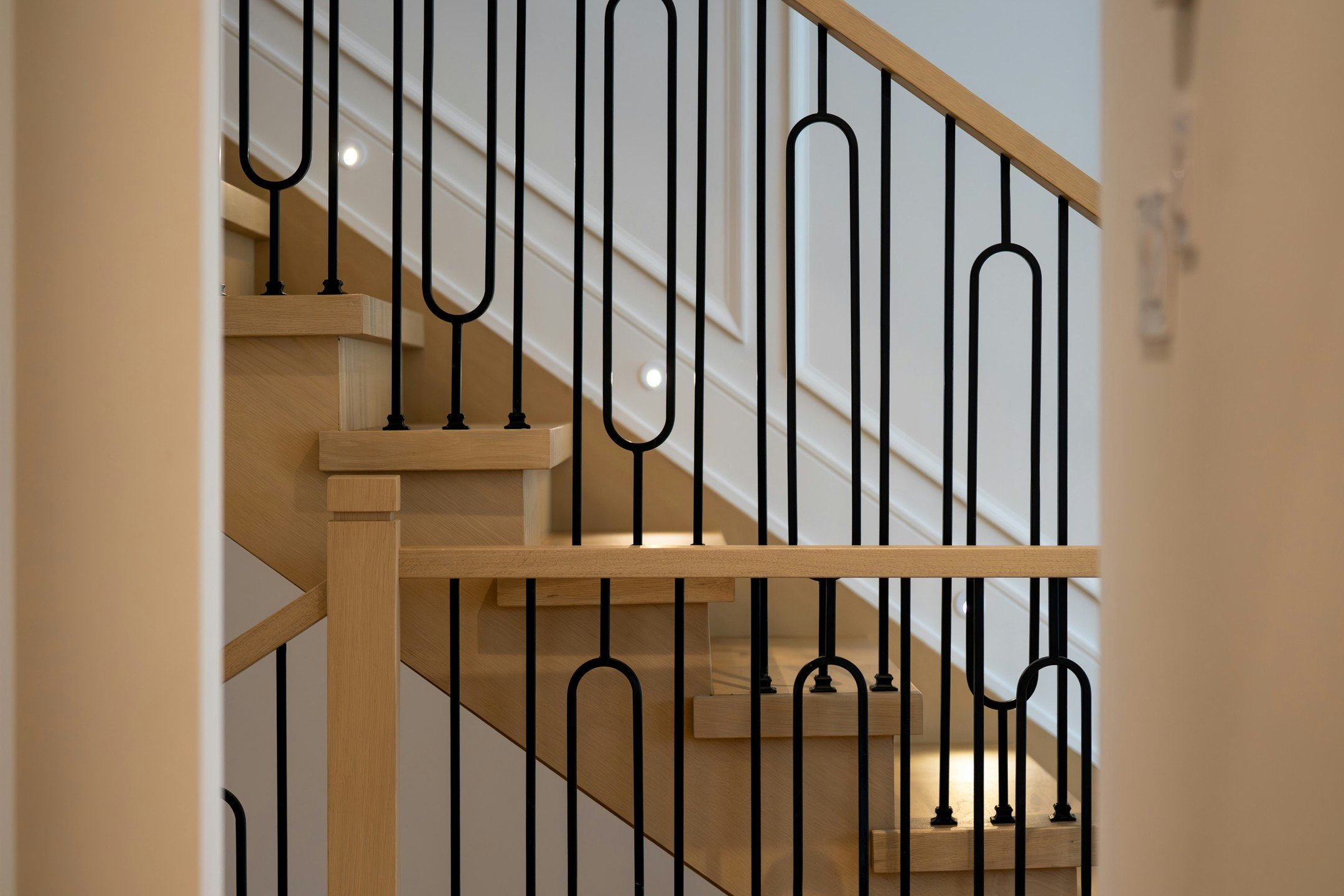
- Handrails on stairs with three or more steps, and a guardrail or wall along basement stairs
- Backflow preventers on laundry tubs and outdoor faucets, and no leaking supply lines or shut-off valves
- Windows glazed and sealed, with storm windows, screens and door handles in place
- The outside: loose siding, peeling paint on the house, garage or shed, fences in poor repair, broken shutters or fixtures, and yard debris
- A certificate from a licensed heating contractor that the furnace was inspected and works
Allen Park's guide also says what its inspectors don't do: they don't go on the roof or into crawl spaces unless they suspect a problem, they don't inspect chimney flues, and the inspection is not a warranty of the home's condition. The city encourages buyers to hire a private home inspector as well.
Other cities add their own paperwork. Garden City and Wayne want a furnace certificate dated within six months, Westland asks for a chimney safety report from a licensed contractor if the home has a fireplace, and Garden City, Inkster and Wayne have the buyer sign a statement about the roof. Allen Park, Dearborn Heights and Wayne require all utilities to be on for the inspection.
What happens if the house fails?

The report is a list of repairs, and the city reinspects once you have made them. If the repairs won't be finished by closing, most of these cities have a way to close anyway:
- The buyer takes on the violations. In Lincoln Park and Wyandotte, the buyer can sign a notarized affidavit agreeing to make the repairs within six months. In Allen Park, the buyer signs an agreement assuming the violations, with repairs due within six months, and an escrow deposit is required.
- Money is held back. Wyandotte lets the buyer place in escrow with the city an amount roughly equal to the cost of the repairs. Allen Park requires an escrow agreement and returns the money, less a 10% administrative fee, once the repairs are done and the certificate is issued.
- A temporary certificate or letter. Westland sells an $80 approval letter to close, and the buyer then has 90 days to finish the repairs. River Rouge can issue a temporary certificate for up to 90 days with a bond for the estimated repairs, if nothing is a safety threat. Garden City issues temporary certificates from December 1 to March 31, with a $300 bond. Wayne issues an interim certificate once the safety items are done.
- A compliance agreement. Dearborn allows an as-is sale in which the buyer is responsible for correcting the violations, and a compliance agreement ($350) can take the place of the certificate at closing.
If the repairs are not made, the cities can stop anyone from living in the house. Wayne's guidelines say a buyer who closes with safety repairs outstanding cannot move in until they are done, and Lincoln Park's code says occupancy may be prohibited after six months.
Can you sell a house without a certificate of occupancy in Michigan?
Where the city has no sale requirement, yes: there is no state certificate to get. In a city that requires one, you need the certificate or one of the city's alternatives above before closing.
Selling without it can cost more than the certificate. Lincoln Park's fine for failing to obtain a Certificate of Approval is $500, and Allen Park's guide says that failing to comply is a misdemeanor and that owners, real estate agents and title companies may be held responsible.
Who pays, and how long does it take?
The owner or the listing agent usually applies (Allen Park and Garden City take the application from either), and the fee runs from $150 to $300 in the cities above. Westland's page says the seller pays it. Who pays for the repairs is up to you and the buyer, as long as the city's terms are met. You might make them before listing, credit the buyer at closing, or sell as is with the buyer taking on the violations. Put whatever you agree in the purchase agreement.
Scheduling alone takes time: Allen Park and Garden City say to allow two weeks for an inspection, and Garden City says three to six weeks in its busy season. Repairs that need permits add more, and Allen Park says a permit application takes about five business days. Apply when you list rather than when you have an offer. Reports stay good for six months in Allen Park and Taylor and a year in Dearborn and Wyandotte, so an early inspection usually lasts through the sale.
To see what the fee and any repair credit do to your proceeds, run them through the seller net sheet calculator or the seller closing cost calculator.
How does it fit with the seller disclosure and the buyer's own inspection?
The seller disclosure. You still complete Michigan's Seller's Disclosure Statement, and the city report doesn't replace it. It does affect your answers: what you report rests on what you know (MCL 565.956), and once the city has handed you a list of violations, you know what is on it. Give the buyer the city report, and make your disclosure match it. Our guide to selling a house as is in Michigan covers what you have to disclose, and how long you are liable after selling covers what happens if you don't.
The buyer's inspection. The buyer can still hire a home inspector, and many do. A private inspector usually looks further than the city, and the buyer may ask for repairs or a credit the city never required. The two run on separate tracks: the city's list must be cleared or assumed to close, and the buyer's requests are negotiated under the purchase agreement.
The purchase agreement. A city inspection works best when the agreement says who orders it, who pays for the repairs, and what happens if the repairs aren't done by closing.
Find out what your house is worth before the inspection
If your city requires a sale inspection, knowing the home's value first helps you decide whether to make the repairs or price them in. Ask for a written home value estimate from recent MLS sales near you, checked by a Raven agent, and tell us what the city's report says.