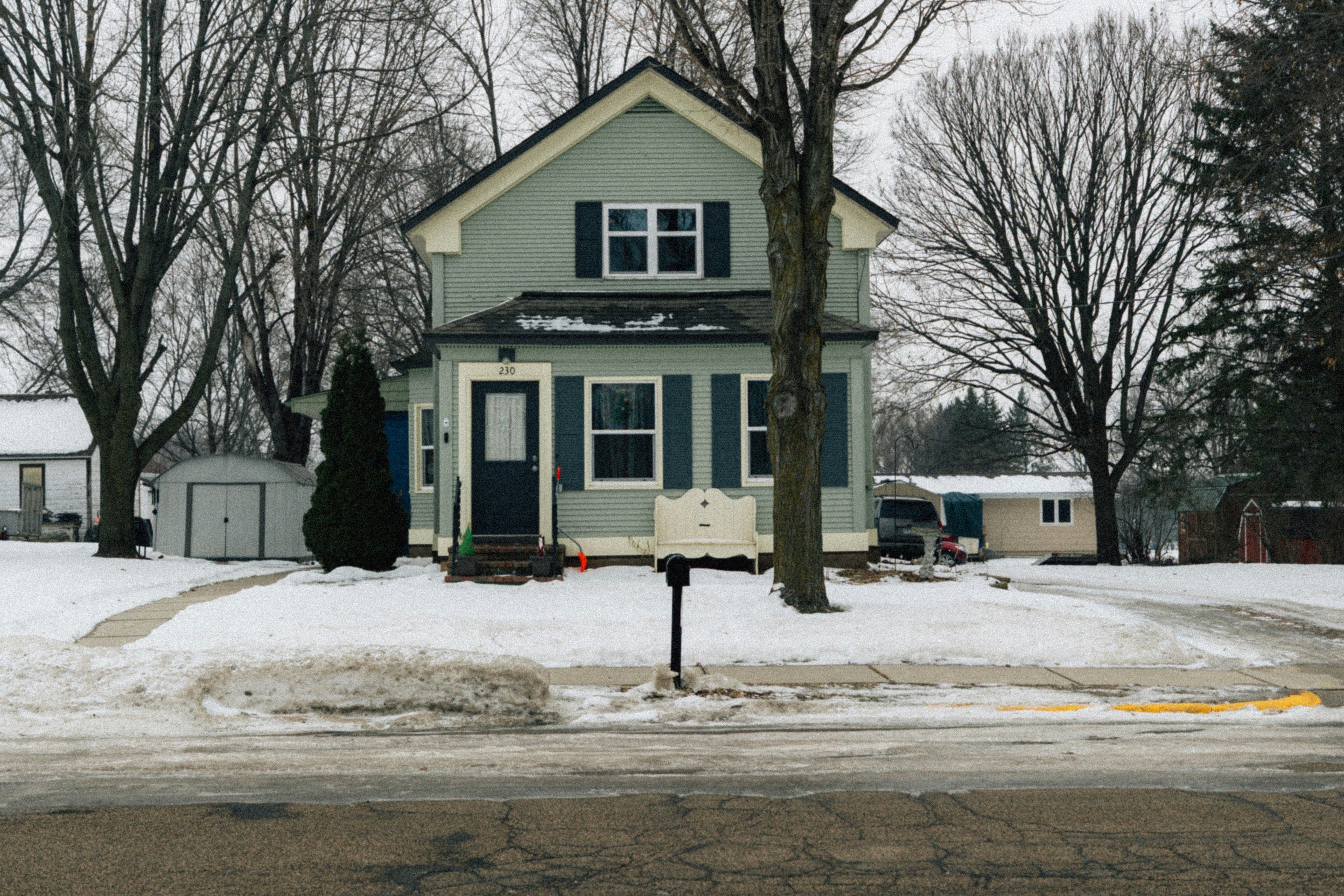
Michigan has no statewide law requiring a septic inspection when a house is sold: it is the only state without a comprehensive statewide septic code, so each county, and sometimes each township, decides. In Metro Detroit, Macomb, Wayne and Washtenaw counties require an evaluation before a home with a septic system changes hands; in most other places it is the buyer's choice, and you schedule it during the inspection period in your purchase agreement.
This guide covers what each Metro Detroit county requires, what a septic inspection includes, what it costs, how lenders treat septic systems and wells, and what happens if the system fails. We are real estate brokers, not engineers or attorneys. A licensed inspector judges the system, and the county health department has the final word on its rules.
Does Michigan require a septic inspection when you buy a house?
Not statewide. Michigan has no statewide septic code, and no state law requires an inspection at sale. Septic systems are regulated by local health departments under the Public Health Code, using their own sanitary codes. A bill to create statewide standards, Senate Bill 771, was placed on the Senate's order of third reading in June 2026 and has not become law.
So the rule depends on where the home is:
- In a county or township with a time-of-sale program, the seller usually has to have the system evaluated, file the report and resolve failures before closing.
- Everywhere else, nobody requires an inspection. Whether to get one is your decision as the buyer, and the time to do it is your inspection period.
Even where the county requires an evaluation, it is the county's minimum. A buyer can still hire an inspector of their own during the inspection period.
Which Metro Detroit counties require a septic inspection at sale?
Here is what each county health department's own pages say, as of November 2026. City and township ordinances can add a requirement where the county has none.
| County | Required at sale? | What the county says |
|---|---|---|
| Macomb | Yes, septic and well | Evaluation before closing by the health department or a registered evaluator; report due at least 5 days before closing; valid one year |
| Wayne | Yes, septic | County ordinance requires an evaluation before sale or transfer, enforced countywide since September 16, 2003 |
| Washtenaw | Yes, septic and well | Time of Sale program since 2000; the county must authorize the sale |
| Oakland | No countywide rule | Septic page covers permits for new and repaired systems; some townships have their own rule (below) |
| Livingston | No program found | Septic pages cover permits, records and complaints; it doesn't offer inspections to homeowners or real estate agents |
| St. Clair | No program found | Offers septic and well evaluations for a fee |
| Genesee | No program found | Septic page covers perc tests, permits and replacements |
| Monroe | No program found | Onsite sewage page covers site evaluations and permits |
For Lapeer County, and for any county above where we found no program, call the county health department's environmental health office before you rely on it.
Macomb County
Homes that use a well or a septic system must have them evaluated before closing under Macomb County regulation, in effect since August 1, 2002. The owner is responsible for getting it done, by the health department or a private evaluator registered with it. The septic evaluation looks at code compliance, performance and available records; the well evaluation adds a bacteriological test and a partial chemical analysis. The report must reach the health department at least 5 days before closing, and an evaluation is valid for one year.
There are exemptions, each needing written documentation, such as a home being connected to public water or sewer within six months of the transfer, a refinance, or the first three years after a home is first occupied.
Wayne County
Wayne County's on-site sewage disposal system ordinance requires an evaluation of a septic system before a property with one is sold or transferred. Evaluations are done by people registered with the county's Environmental Health Division. If the system has failed, the home must connect to an available sewer or meet the county's performance standards.
Washtenaw County
Washtenaw County's Time of Sale program covers homes with a well, a septic system or both. The seller hires a county-certified inspector, the report is filed with the county, and there can be no sale until the county finds the system acceptable (or the repair is completed or assured) and authorizes the transfer. The water test includes at least bacteria and nitrate. Some transfers are exempt, including between spouses, foreclosures, and homes built within the previous 24 months.
Does Oakland County require a septic inspection?
Not countywide. The Oakland County Health Division's septic page covers permits and inspections for new and repaired systems and doesn't describe a requirement at sale. Some townships require one under their own ordinances:
- Commerce Township requires a certified evaluation at the time of sale for properties with existing septic systems, by an evaluator registered with the township. Since October 1, 2023, the septic inspection form must accompany the Property Transfer Affidavit.
- West Bloomfield Township requires an evaluation under Ordinance C-621-B, according to its information packet.
If the home is in Oakland County, ask the city or township as well as the county.
What does a septic inspection include?
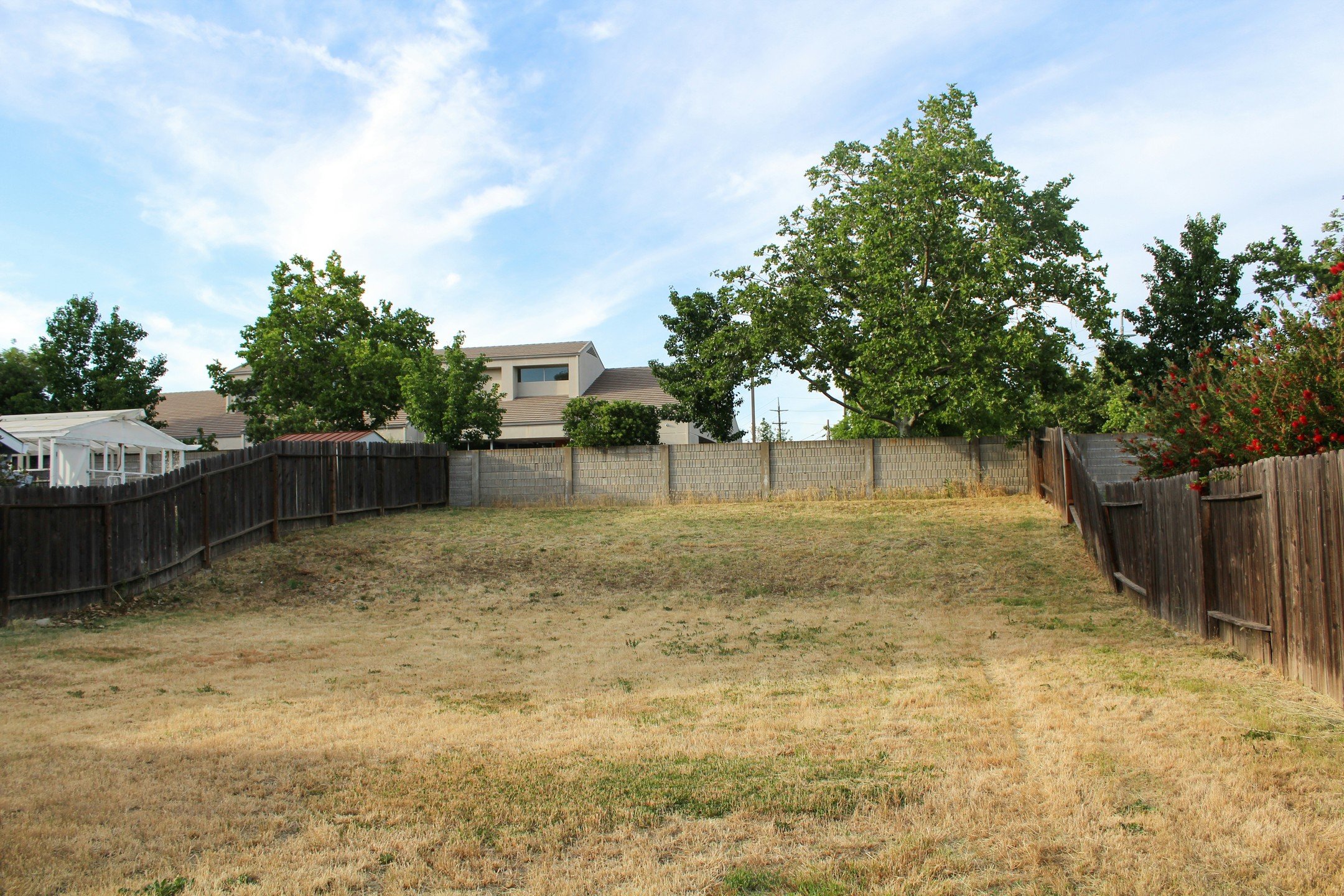
A septic system has two main parts. The septic tank holds wastewater long enough for solids to settle to the bottom and grease to float to the top. The drainfield takes the liquid from the middle of the tank and spreads it into the soil, which treats it. An inspection looks at both.
What county programs ask for gives a good picture of a full evaluation:
- Location of the tank and drainfield, and the system's records.
- The tank: its condition, any leaks, and the scum and sludge layers. EPA says to pump the tank if the bottom of the scum layer is within six inches of the bottom of the outlet, or the top of the sludge layer is within 12 inches of the outlet.
- How it is working: Washtenaw's regulation counts as a failure sewage backing up into the house, effluent on the ground, a tank whose liquid level is above the outlet, a structurally failed tank, a drainfield whose liquid level is above the outlet holes in its pipe, or a connection to a storm drain.
- The report: the system's functional status, any repairs or replacement needed, and recommendations to extend its life.
Ask an inspector before you hire them what they will do and what they won't. Pumping is often separate: Macomb's health department septic evaluation fee, for example, doesn't include pumping the tank.
Get the records too. Health departments keep permits and inspections: Oakland County keeps them 18 years, and Livingston and Washtenaw counties have online record searches. A permit shows when the system was installed or replaced and where it is. Livingston County puts a septic system's life expectancy at about 20 to 25 years.
Read the seller's disclosure. The state Seller's Disclosure Statement (MCL 565.957) asks whether the well and pump and the septic tank and drain field are working, the type, age and repair history of the well, whether the water has been tested and when, and the condition of the septic system, if known. For most sales the seller must give it to you before you sign a binding purchase agreement (MCL 565.954). It is what the seller knows, not an inspection.
How much does a septic inspection cost in Michigan?
There is no statewide price, and we don't quote private inspectors' fees. Two county health departments publish what they charge:
| Health department | Septic only | Well only | Septic and well |
|---|---|---|---|
| Macomb County | $384, not including pumping | $313.85, with bacteriological and partial chemical tests | Both fees |
| St. Clair County (from October 1, 2026) | $225 | $321 to $398 | $431 to $508 |
St. Clair's well and combined prices depend on how many water samples you choose (bacteria, partial chemistry, lead and copper, arsenic). In Macomb, a private registered evaluator sets its own fee, and the county charges $87 to process that evaluator's report.
What moves the price is whether the tank is pumped, which water tests you order, and any county filing fee. Get quotes from two or three inspectors. For the rest of what you pay to buy, try our buyer closing cost calculator.
Do lenders require a septic inspection?
Not for every loan. Here is what the federal programs' own rules say. We describe them only; we don't recommend a loan type or a lender.
FHA. HUD's Handbook 4000.1 (last revised August 12, 2026):
- An existing septic system is acceptable if it is functioning properly and meets the local health department's requirements, and connecting to a public sewer isn't feasible at a reasonable cost.
- The appraiser must visually observe the septic system and require an inspection if there are readily observable signs of failure.
- If the system isn't sufficient and no sewer is available, the lender must reject the property unless the system is repaired or replaced to local health department standards.
- For a well, water quality must meet the local health authority's requirements. A water test is required for new construction, when the appraiser reports a problem with the well or water, when the water is known or reported to be unsafe, or near dumps, landfills, industrial sites, farms or other possible sources of hazardous waste. A disinterested third party collects and tests the sample.
- A well must be at least 50 feet from the septic tank, 100 feet from the drainfield (75 feet if the local authority allows) and 10 feet from a property line, or farther if local rules say so.
USDA. Under 7 CFR 3555.201, a privately owned water or wastewater system can be acceptable if the lender determines it is adequate, safe and code compliant and connecting to a public or community system isn't reasonable. The agency may require inspections.
VA and other loans have their own property requirements and lender rules. Ask your lender early what it needs, so you can schedule it with your own inspection.
And remember: where a county requires a time-of-sale evaluation, it applies whatever the loan, including a cash purchase.
How long is a septic inspection good for?
It depends on who is asking:
- Macomb County: an evaluation is valid for one year from the date it was done.
- Washtenaw County: a new evaluation isn't required if the system was certified within the 12 months before the transfer.
- Everywhere else: there is no set term. An inspection reports the system's condition on the day it was done. If the seller hands you an older report, you can still hire your own inspector during your inspection period.
What if the septic system fails?
In a county with a time-of-sale program, the county's rules decide what happens before closing.
- Macomb: the sale can go ahead if a corrective action plan is filed and money is put into escrow for the repairs, which must be done within 180 days after the county approves the plan.
- Washtenaw: within 30 days of the county's notice, the owner, buyer or authorized agent submits a corrective plan and puts 1.5 times the estimated cost into escrow, and the work must be done within 180 days after approval.
- Wayne: a failed system must be connected to an available sewer or brought up to the county's performance standards.
Everywhere else, your purchase agreement decides. Its inspection terms usually let you, within the inspection period, ask the seller to repair, ask for a credit or a lower price, or cancel, as the agreement states. Read those terms before you sign, and get a repair estimate before you negotiate.
A repair or a new system needs a permit from the county health department. The permit fee is separate from the cost of the work: for example, Oakland County charges $221 for a residential repair permit, Genesee County $400 for a full replacement and St. Clair County $325.
Should you test the well too?

Yes. Homes on a septic system usually have a private well, and a septic inspection doesn't tell you if the water is safe. In Michigan a well must be tested when it is built, and after that, testing is up to the owner.
The Michigan Department of Health and Human Services (MDHHS) recommends this schedule for private wells:
| How often | Test for |
|---|---|
| Every year | Coliform bacteria and E. coli, nitrate, nitrite |
| Every 3 to 5 years | Arsenic, lead |
| At least once | PFAS |
MDHHS also suggests testing after flooding near the well, after repairs, or when the water's taste, color or smell changes. Ask the county health department what to test for in that area. For PFAS, MDHHS (800-648-6942) can tell you if a home is in an area under investigation and may test for free.
For context, Livingston County lists the minimum standards for a new well: no bacteria, nitrate of 10 parts per million or less, and arsenic of 10 parts per billion or less. Use a lab certified for drinking water, and have the inspector or the lab collect the sample.
Also check where the well is. A well too close to the septic tank or drainfield is a problem a water test won't show, and for an FHA loan it is a property requirement (see above).
The short version for buyers
- Find out if the county, city or township requires a time-of-sale evaluation, and if so, ask for the report and the county's approval.
- Read the Seller's Disclosure Statement's well and septic answers and ask for pumping and permit records.
- Book a septic inspection and a well water test early in your inspection period.
- Ask your lender what it needs for a home on a well and septic.
- If something fails, use the county's process or your purchase agreement's inspection terms.
Our guide to how long it takes to close on a house in Michigan shows where the inspection period fits, and our buying page explains how a Raven agent works with you from search to closing.